

The Quiet Cost of Chasing Comfort
The Quiet Cost of Chasing Comfort
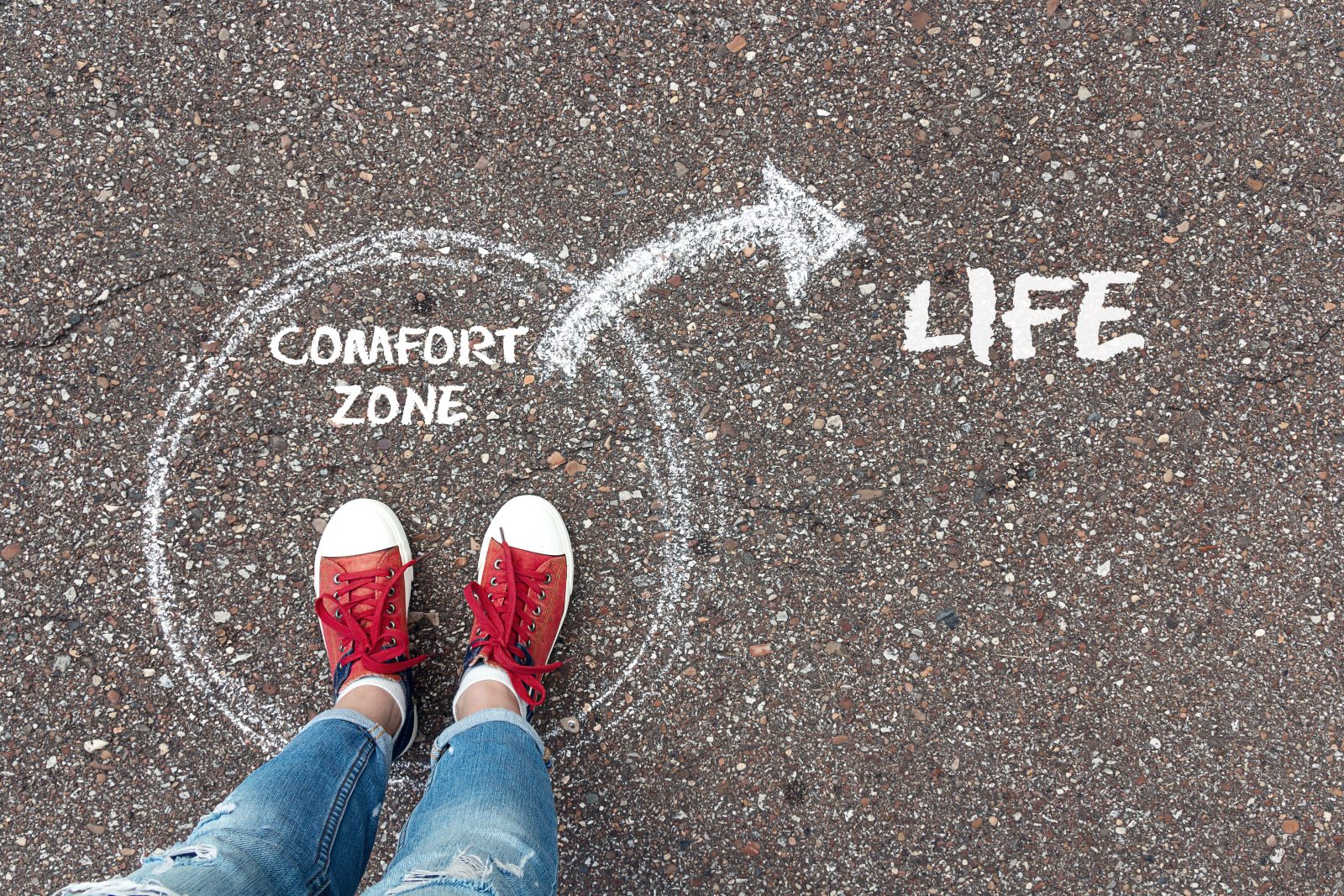
Nothing in your life broke overnight.
It slowly got easier—and somehow smaller.
Comfort looks innocent. Even smart.
Food delivered in minutes. Endless entertainment. Predictable routines. Fewer risks. Less friction.
But here’s the uncomfortable truth most people feel and rarely say out loud:
The more comfort you build your life around, the fewer choices you have when it really matters.
At first, comfort feels like relief. Later, it feels like stagnation.
You stop stretching.
Tolerance for uncertainty fades.
Activities that once made you feel alive no longer happen.
And one day, you realize you didn’t choose this version of your life—it just happened while you were optimizing for ease.
The Hidden Effects of Too Much Comfort
This shows up quietly, but powerfully:
-
Lower resilience: Small challenges feel overwhelming.
-
Shrinking ambition: Big goals feel “too much” now.
-
Decision paralysis: Comfort makes risk feel dangerous.
-
A vague dissatisfaction: Life isn’t bad… it’s just flat.
Deep down, many people sense it:
“I should want more—but I don’t have the energy to want it.”
That’s not laziness.
That’s what long-term comfort does to the nervous system and the mind.
Rebuilding Freedom Without Burning Your Life Down
You don’t need to reject comfort entirely.
You need to reintroduce intentional friction—on your terms.
Here are modern, accessible tools and services designed exactly for that shift
1. Design discomfort instead of waiting for crisis
Fabulous or Habitica (behavior design apps)
These apps help you intentionally build small challenges into daily life—physical, mental, or creative. The goal isn’t suffering; it’s rebuilding your tolerance for effort and uncertainty.
Small discomfort. Big confidence gains.
2. Replace passive consumption with guided growth
Mindvalley or Short-form Cohort Courses (2–4 weeks)
Instead of endless scrolling, these programs create time-bound pressure, community accountability, and measurable progress. Comfort thrives in isolation; growth thrives in structure.
3. Track effort, not just results
Exist.io or Reflectly (self-awareness platforms)
These tools help you notice patterns: when life feels alive vs. numb, stretched vs. stagnant. Awareness alone starts changing behavior—without force.
What Life Feels Like When You Stop Chasing Comfort
When you consciously step slightly outside ease:
-
Your confidence rises—not from success, but from self-trust
-
Fear loses power because you’ve practiced discomfort
-
Decisions feel lighter because you know you can adapt
-
Life regains texture—ups, downs, excitement, meaning
You don’t lose comfort.
You stop being controlled by it.
And that’s the difference between safety and freedom.
The 5 Days Comfort Detox Challenge
This isn’t about suffering.
It’s about proving to yourself that comfort hasn’t taken your edge.
The Rule:
For 5 days, you’ll interrupt comfort once per day—deliberately and briefly.
No extremes. No burnout. Just awareness + action.
Each task takes 10–30 minutes.
The Final Question (Don’t Skip This)
At the end of Day 5, write one sentence:
“I feel more ___ than I did five days ago.”
If the word is clearer, calmer, braver, sharper, or more alive—
you’ve already won.
Because now you know:
comfort is optional.
Feeling the pace of life pressing in? Learn how intentional friction can restore freedom, focus, and energy.
👉 Explore practical ways to slow down and reclaim control: Read “What a Slower Life Actually Looks Like”
For deeper insights on reducing mental load and escaping the trap of over-comfort, check out: “Renting Freedom vs Owning Stress”
