

The Illusion of “I’ll Do It Later”
The Illusion of “I’ll Do It Later”
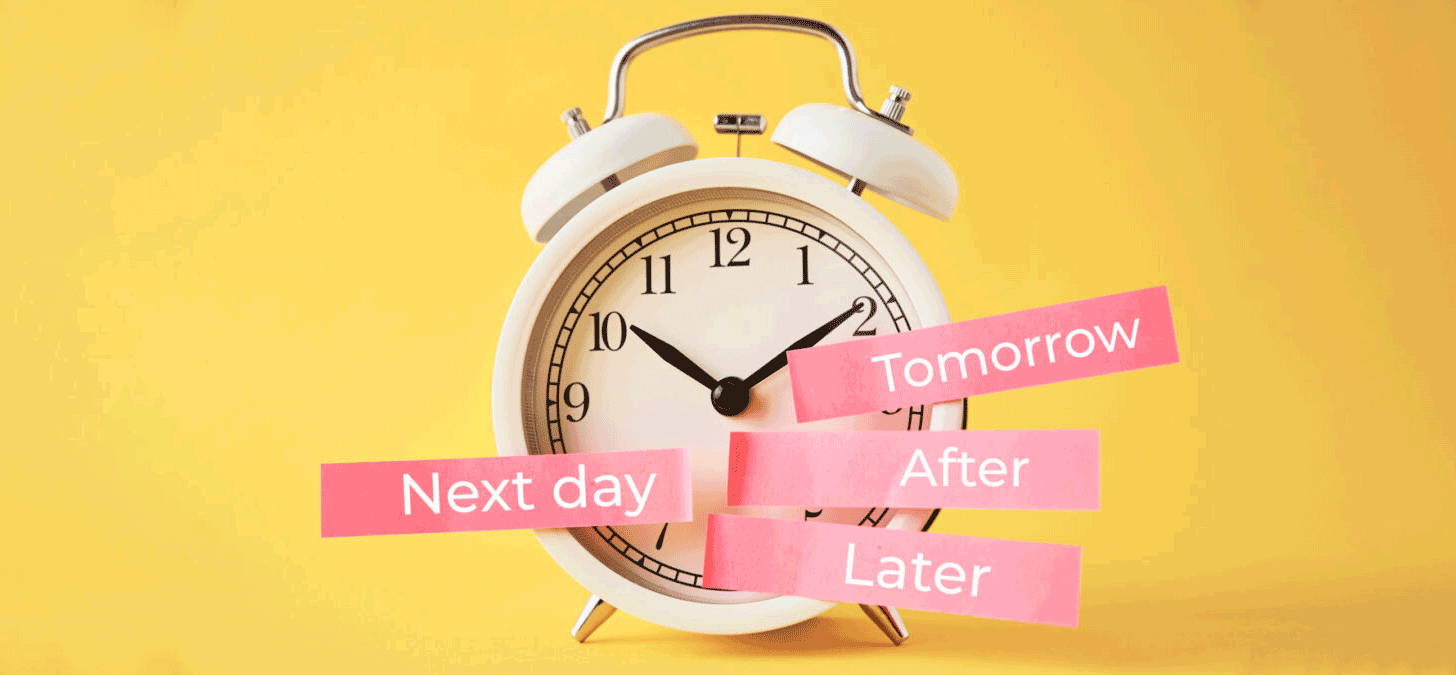
“I’ll do it later” doesn’t sound like avoidance.
It sounds reasonable. Responsible. Safe.
Later feels like a promise you can trust.
But if you look closely, later is rarely a real plan.
It’s a holding pattern.
A way to delay discomfort without admitting you’re afraid of it.
Most people aren’t procrastinating because they don’t care.
They’re procrastinating because starting now would force them to feel something uncomfortable:
uncertainty, inadequacy, effort, or the possibility of failure.
So later becomes a psychological shelter.
How “Later” Quietly Repeats Itself
Here’s the trick:
Later never arrives as a clear moment.
It keeps shape-shifting.
- After this busy week
- When I feel more ready
- Once things calm down
- When I have more clarity
Each version feels logical.
Each one buys relief.
And each one quietly resets the clock.
The cost isn’t obvious at first.
Life continues. Tasks get done. You function.
But underneath, something starts to erode.
You lose trust in yourself.
Ideas stop feeling exciting.
Goals start feeling heavy instead of energizing.
Not because they’re wrong—
but because they’ve been postponed so long they’ve turned into pressure.
The Real Damage of “Later”
“I’ll do it later” doesn’t just delay action.
It delays identity.
You start seeing yourself as someone who plans, prepares, and thinks—
but rarely moves.
Over time, this creates:
- Low-grade guilt that never fully leaves
- Mental noise from unfinished intentions
- A shrinking sense of agency
- Fear of starting because expectations have grown too big
Eventually, even small steps feel intimidating.
Not because they’re hard—
but because they’ve been emotionally inflated by waiting.
Why Willpower Doesn’t Fix This
Most advice says: “Just start.”
But that ignores the real problem.
You’re not avoiding the task.
You’re avoiding the feeling attached to starting it.
That’s why forcing motivation rarely works.
You don’t need more discipline.
You need a way to lower the emotional cost of beginning.
Practical Ways to Interrupt the “Later” Loop
These aren’t mindset hacks.
They’re structural tools that make action easier than avoidance.
1. Shrink the starting point until it feels almost silly
Big intentions create big resistance.
Use the 2-minute rule, but with a twist:
Your only goal is to touch the task, not advance it.
Open the document.
Write one sentence.
Read one paragraph.
Set up the workspace.
Tools like Todoist or Things 3 work best when tasks are defined as actions, not outcomes.
Starting small isn’t weakness.
It’s how momentum is created safely.
2. Externalize commitment so it’s not just in your head
Intentions trapped in your mind feel optional.
Move them somewhere visible and time-bound:
- A calendar block
- A shared document
- A public or semi-public commitment
Using Google Calendar with a specific title (“Draft, not finish”) reduces internal negotiation.
What’s scheduled feels real.
What’s vague stays postponed.
3. Separate identity from outcome
Many people delay because starting feels like a test of who they are.
Instead of “I’ll write this article,” try:
“I’ll practice writing for 15 minutes.”
Apps like Focusmate or Flow Club help by framing action as presence, not performance.
You’re showing up—not proving anything.
4. Reduce friction, not motivation
If starting requires too many steps, later will always win.
Prepare environments in advance:
- Keep tools open
- Remove login friction
- Save templates
- Use defaults
Notion templates, pre-built checklists, or saved workflows turn action into the path of least resistance.
What Changes When You Stop Trusting “Later”
Life doesn’t suddenly become intense.
It becomes lighter.
Ideas stop haunting you.
Confidence rebuilds—not from success, but from follow-through.
You start seeing yourself as someone who moves, not just plans.
Most importantly:
the gap between intention and action shrinks.
And that gap—
not laziness, not lack of talent—
is where most frustration lives.
A Challenge You Can Start Right Now
How to Stop Procrastinating: A Simple Step-by-Step Method
This is not about productivity.
It’s about breaking procrastination at the source.
Why The “Interrupt Later” Micro Challenge Works
Procrastination isn’t a time problem.
It’s a resistance problem.
Small actions lower mental friction.
Starting becomes safe again.
Later doesn’t create progress.
Small action does.
You don’t need more time.
You need a smaller start.
If, while reading this, you caught yourself thinking “This makes sense — I’ll deal with it later,” you’ve just reached the real turning point.
Busyness isn’t always the problem. Often, the real trap is that quiet promise of “later.”
The next article breaks down why awareness alone doesn’t lead to change, how “later” slowly erodes momentum, and what actually makes starting feel safe again — without pressure or self-blame.
👉 Read “Why Most People Are Busy but Still Feel Stuck” to understand why clarity stalls at “later,” and how to finally turn intention into action.
