

Explore the World,
One Street at a Time
Step into a random moment on a
far-off street and feel
the pull of distant horizons.

Explore the World,
One Street at a Time
Step into a random moment on a
far-off street and feel
the pull of distant horizons.
Your Guide
to Work & Wander
Sharpen the skills to work and roam freely.
Dive into our blog for the best advice on
remote work and travel life.
Your Guide
to Work & Wander
Sharpen the skills to work and roam freely. Dive into our blog for the best advice on remote work and travel life.
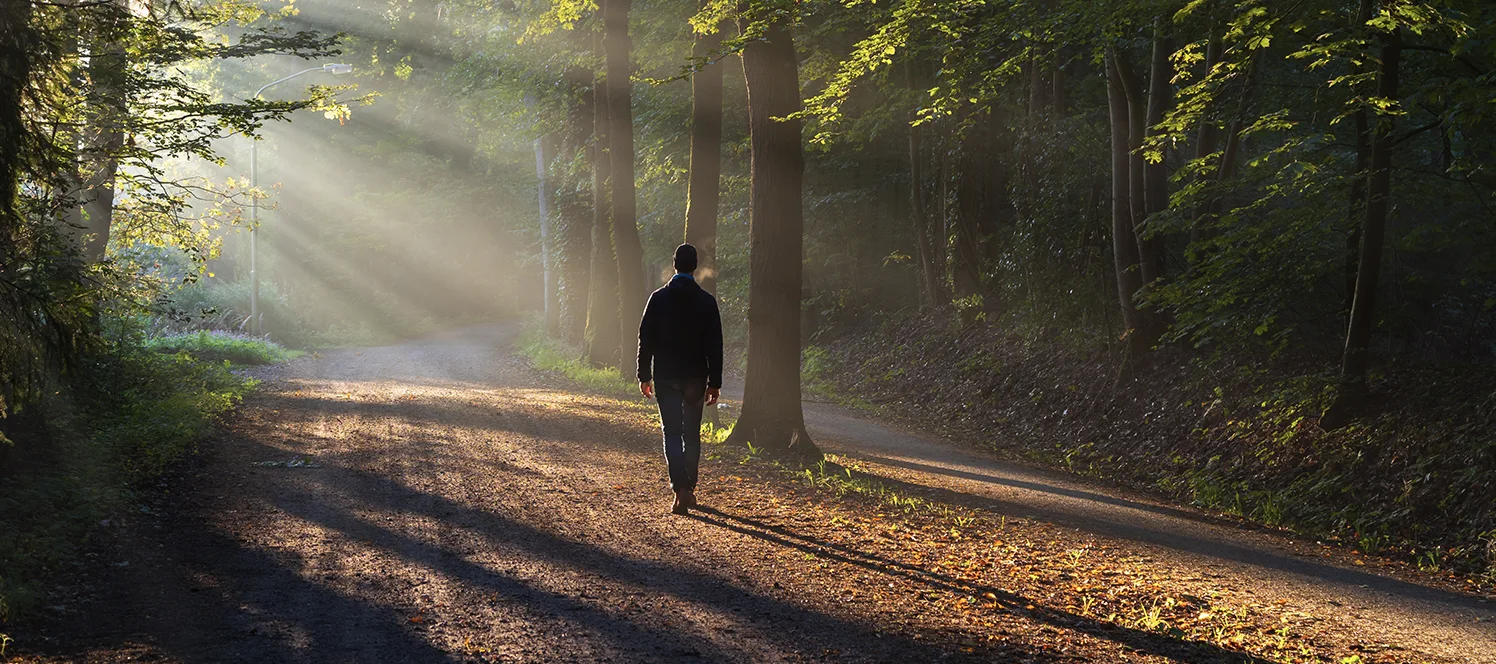
Being alone outdoors amplifies nature’s restorative power. Distractions, especially phones, fragment attention and dull benefits. Intentional boundaries and simple tools help you stay present. Even short, solo escapes boost creativity, reduce stress, and deepen awareness.

Modern travel can mask restlessness rather than resolve it. True freedom arises from intentional pauses, not distance. Micro-resets and local novelty reset the nervous system. You don’t need to go far—presence creates liberation.

Letting go isn’t weakness — it’s reclaiming mental and emotional space. Unreleased tasks, worries, and obligations drain attention and energy. Using practical tools makes release intentional and sustainable. With consistent boundaries, life feels lighter, decisions easier, and freedom tangible.
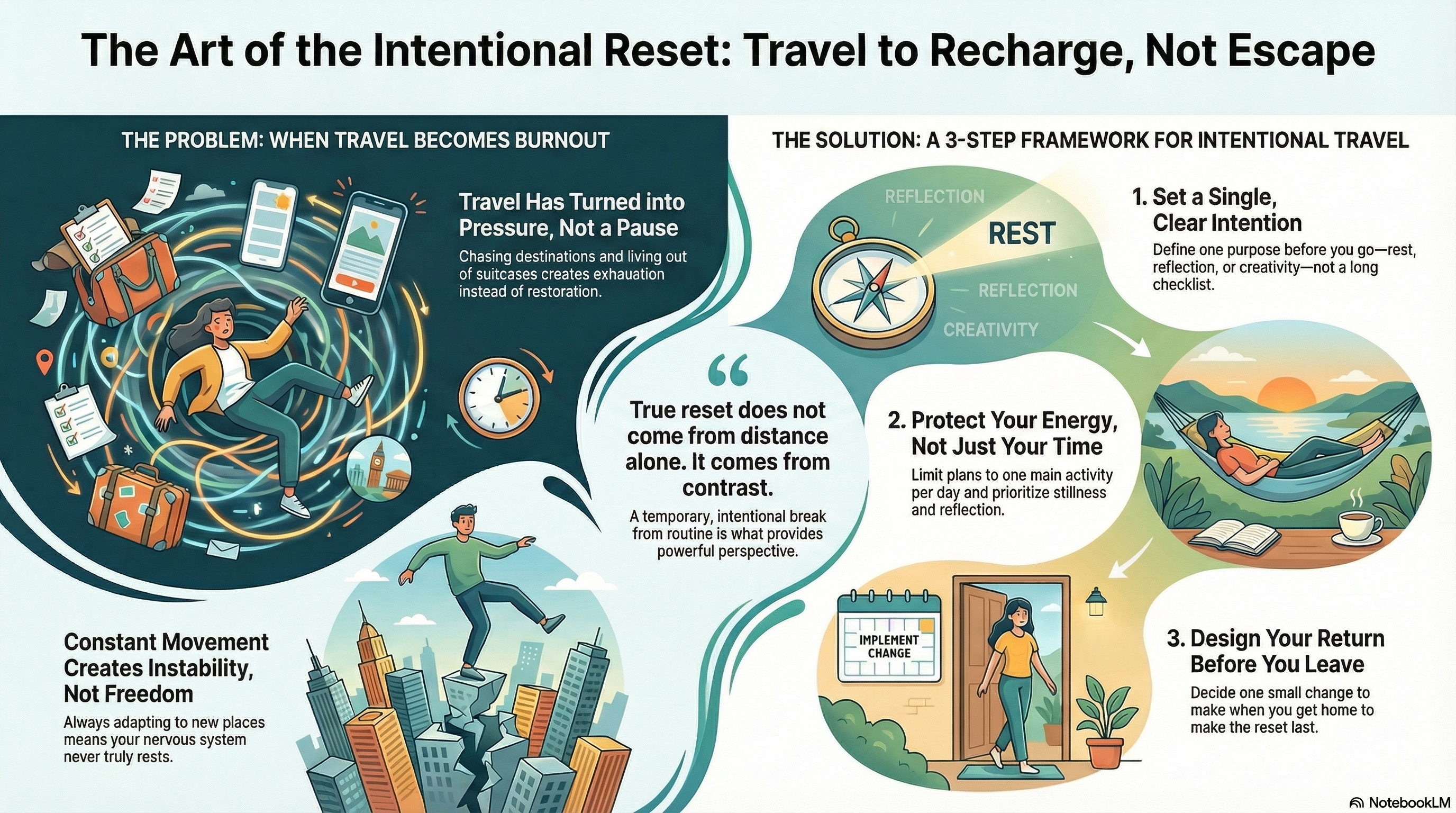
Modern travel often overstimulates instead of restoring. Without grounding, movement exhausts the nervous system. True renewal comes from contrast, not constant change. Used intentionally, travel clarifies life—it doesn’t replace it.

Phones outdoors aren’t inherently harmful — unrestricted use is. True rest comes from attention, not location. Setting simple boundaries turns your phone into a tool for presence. Small, intentional outdoor moments restore calm without extra cost.

From an expert perspective, true freedom isn’t about travel—it’s about control over time, energy, and choices. Financial awareness and intentional scheduling protect autonomy. Reflection tools foster clarity, presence, and intentional living. When freedom guides life design, travel and daily experiences become restorative and meaningful.
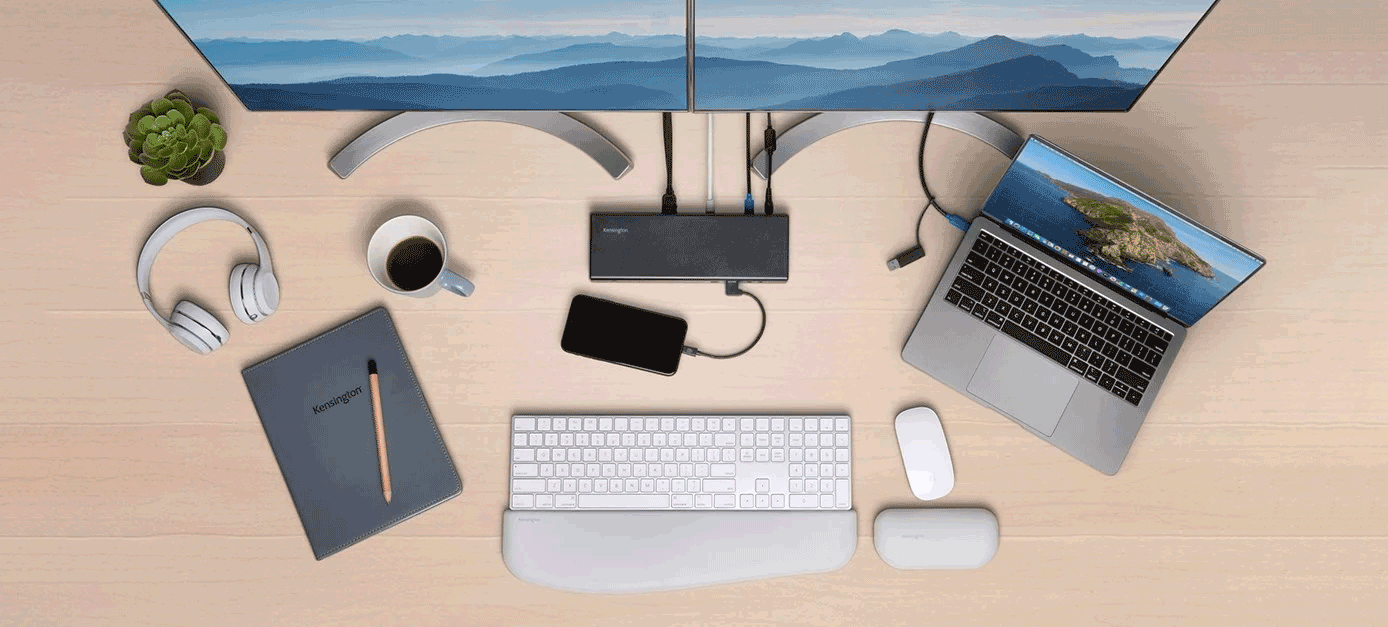
Ergonomics is essential for sustainable remote work. Poor setups quietly reduce focus and long-term health. Portable ergonomic tools prevent chronic strain. Design once—work comfortably anywhere.

From an expert perspective, chasing “more” rarely leads to fulfillment. Intentional reduction and mindful choices preserve energy and focus. Prioritizing quality over quantity enhances clarity, creativity, and well-being. True progress comes from doing less, better, and with purpose.
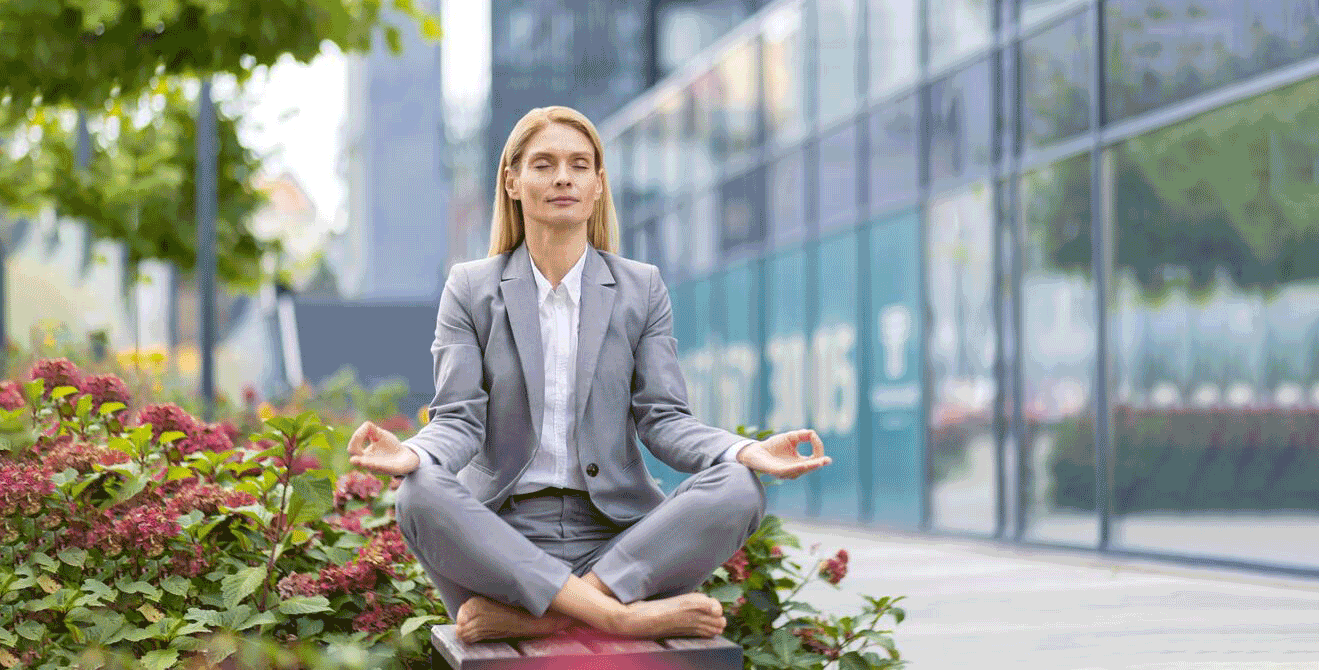
Most workdays don’t end in collapse — they end in quiet exhaustion. You finish one task, jump straight into the next, and carry a low-level tension with you all day. No real pause. No reset. Just constant mental noise.
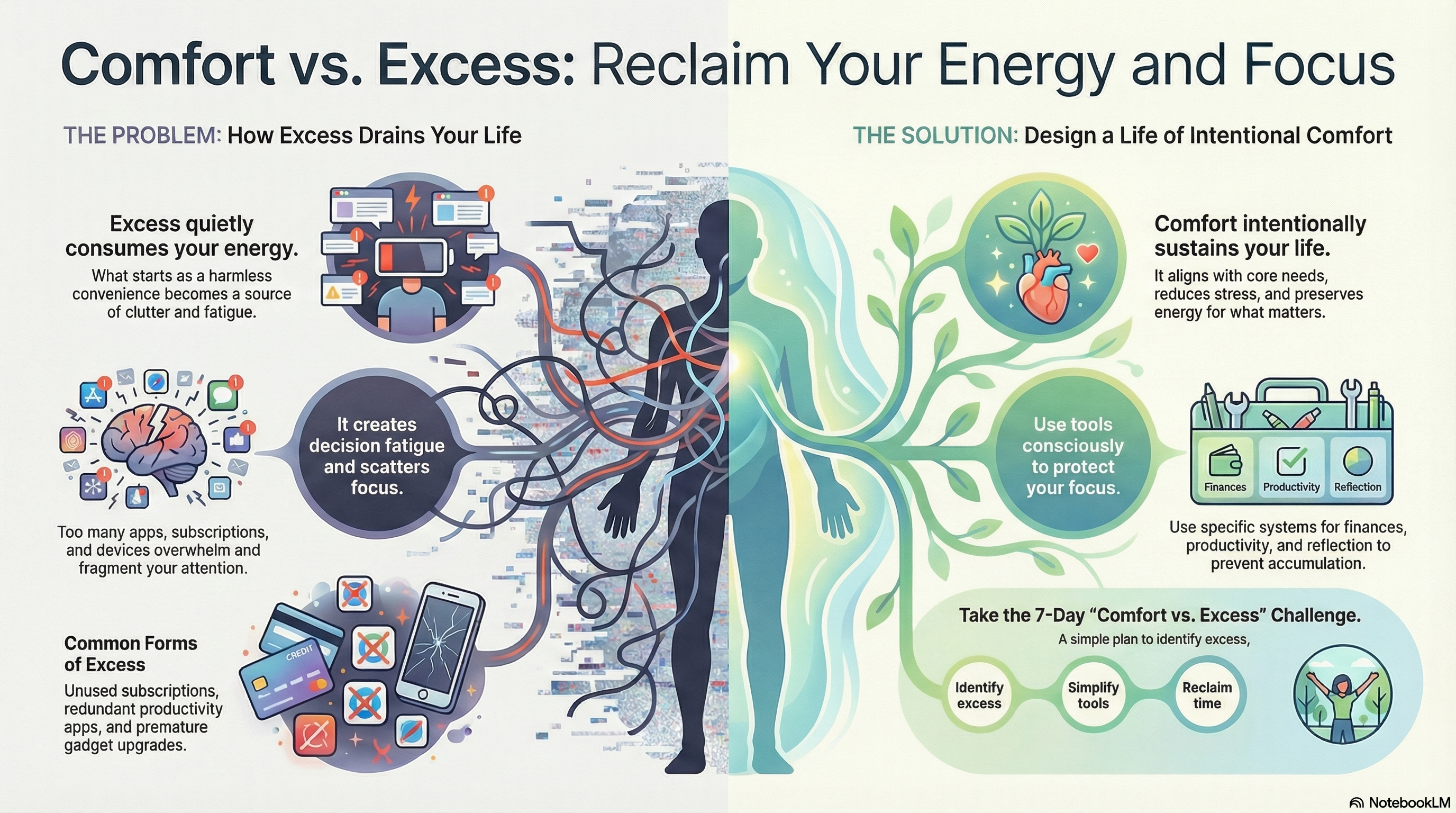
From an expert perspective, comfort sustains life while excess drains it. Intentional systems preserve energy, focus, and clarity. Mindful reflection prevents accumulation and stress. Designing life around comfort, not clutter, fosters sustainable well-being.


Being alone outdoors amplifies nature’s restorative power. Distractions, especially phones, fragment attention and dull benefits. Intentional boundaries and simple tools help you stay present. Even short, solo escapes boost creativity, reduce stress, and deepen awareness.
Modern travel can mask restlessness rather than resolve it. True freedom arises from intentional pauses, not distance. Micro-resets and local novelty reset the nervous system. You don’t need to go far—presence creates liberation.
Letting go isn’t weakness — it’s reclaiming mental and emotional space. Unreleased tasks, worries, and obligations drain attention and energy. Using practical tools makes release intentional and sustainable. With consistent boundaries, life feels lighter, decisions easier, and freedom tangible.
Modern travel often overstimulates instead of restoring. Without grounding, movement exhausts the nervous system. True renewal comes from contrast, not constant change. Used intentionally, travel clarifies life—it doesn’t replace it.
Phones outdoors aren’t inherently harmful — unrestricted use is. True rest comes from attention, not location. Setting simple boundaries turns your phone into a tool for presence. Small, intentional outdoor moments restore calm without extra cost.
From an expert perspective, true freedom isn’t about travel—it’s about control over time, energy, and choices. Financial awareness and intentional scheduling protect autonomy. Reflection tools foster clarity, presence, and intentional living. When freedom guides life design, travel and daily experiences become restorative and meaningful.
Ergonomics is essential for sustainable remote work. Poor setups quietly reduce focus and long-term health. Portable ergonomic tools prevent chronic strain. Design once—work comfortably anywhere.
From an expert perspective, chasing “more” rarely leads to fulfillment. Intentional reduction and mindful choices preserve energy and focus. Prioritizing quality over quantity enhances clarity, creativity, and well-being. True progress comes from doing less, better, and with purpose.
Most workdays don’t end in collapse — they end in quiet exhaustion. You finish one task, jump straight into the next, and carry a low-level tension with you all day. No real pause. No reset. Just constant mental noise.
From an expert perspective, comfort sustains life while excess drains it. Intentional systems preserve energy, focus, and clarity. Mindful reflection prevents accumulation and stress. Designing life around comfort, not clutter, fosters sustainable well-being.
