

Why Nature Feels More Powerful When You’re Alone
Why Nature Feels More Powerful When You’re Alone
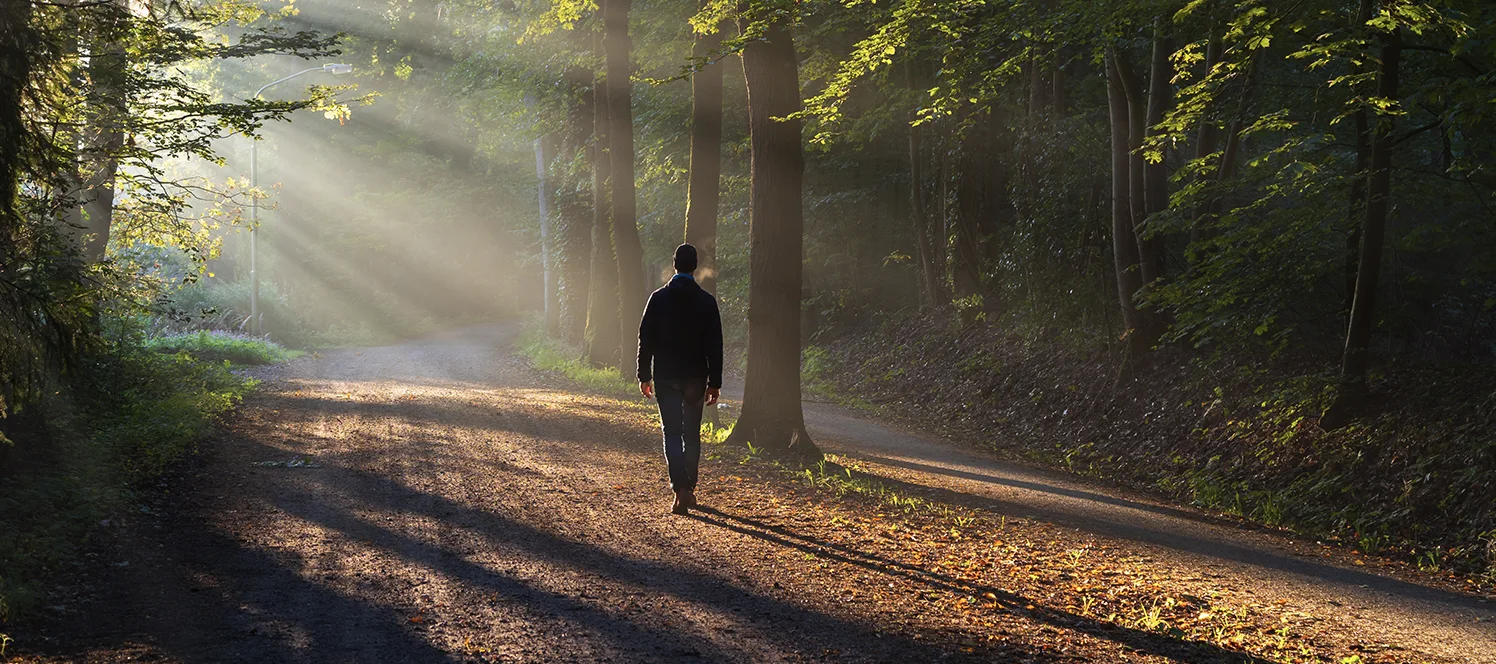
You step into the forest, onto a beach, or along a quiet trail.
The world is vast, and yet, strangely, it feels personal.
And then someone calls.
Or a notification buzzes.
Or your friends ask for a selfie.
Suddenly, the magic dims. The stillness fragments.
Nature doesn’t change.
You do — because attention is no longer yours.
This is why being alone amplifies the power of the outdoors.
It’s not the trees, the waves, or the mountains themselves.
It’s your undivided presence.
The Science Behind Solitude in Nature
Studies in environmental psychology show that solo outdoor experiences:
- Reduce cortisol levels more than group walks
- Increase mindfulness and present-moment awareness
- Boost creativity and problem-solving
When you’re alone, your brain is free from social comparison and external judgments.
The small details — a leaf floating on water, the rustle of wind — take center stage.
Being alone forces you to notice the environment, your body, and your thoughts simultaneously.
It is the ultimate reset.
Why It’s So Hard to Be Alone Outdoors
Modern life has trained us to avoid solitude:
- Smartphones demand constant attention
- Social media encourages sharing every moment
- Habits tie identity to visibility, not experience
Even in nature, we “bring the city with us.”
We photograph more than we look.
We scroll more than we listen.
This divided attention dulls the restorative power of the outdoors.
Tools to Help You Reclaim Presence
You don’t need to disconnect permanently to benefit.
These practical tools make being alone outdoors easier and richer.
1. Forest — Stay Focused, Not Distracted
Plant a virtual tree while walking, and keep your phone in check.
Leave the app — the tree dies.
Result: You stay engaged with the environment rather than the feed.
2. Headspace — Mindful Solitude Made Simple
Use guided meditations specifically for outdoor walks or mindful breaks.
Focus on breathing, senses, and surroundings.
Result: Solitude feels intentional, not lonely.
3. Google Keep / Apple Notes — Capture Thoughts Without Interrupting Presence
Jot down fleeting ideas, observations, or feelings.
No scrolling. No sharing. Just capture and continue observing.
Result: Mental clutter decreases; presence deepens.
4. YNAB (You Need A Budget) — Plan Cost-Free Escapes
Being alone often triggers spontaneous trips.
YNAB helps you budget for low-cost, meaningful escapes:
- Park trips
- Local hikes
- Solo cafés or reading spots
Result: You enjoy solitude without financial stress.
5. AllTrails — Find the Perfect Path for Solo Adventures
Discover trails that match your skill, mood, and desired solitude.
Filter by crowd levels, distance, and difficulty.
Result: You maximize nature’s impact without planning errors.
The Outcome of Solo Nature Experiences
Once you practice undistracted outdoor moments:
- Attention becomes sharper
- Stress dissolves faster
- Creativity blooms naturally
- Emotional regulation improves
Even brief moments alone can have an outsized effect on your day.
The world feels larger, yet more personal.
And here’s the kicker: you don’t need more time or money to feel it.
The richness comes from focus, not duration or cost.
A Challenge: Short Solo Escapes That Don’t Break the Bank
The 5-Day Solo Nature Challenge
Designed to deepen your connection to nature while keeping it cost-effective.
Why This Works
Solitude in nature isn’t about isolation.
It’s about reclaiming attention.
With intentional boundaries:
- Technology stops fragmenting experience
- Financial stress doesn’t intrude
- Your mind finally lands in the present
Even brief solo moments can transform perception, creativity, and mental clarity.
Nature becomes not just beautiful, but powerful — because you’re fully there to feel it.
Read Article: Why Being Still Outdoors Feels Strange at First
